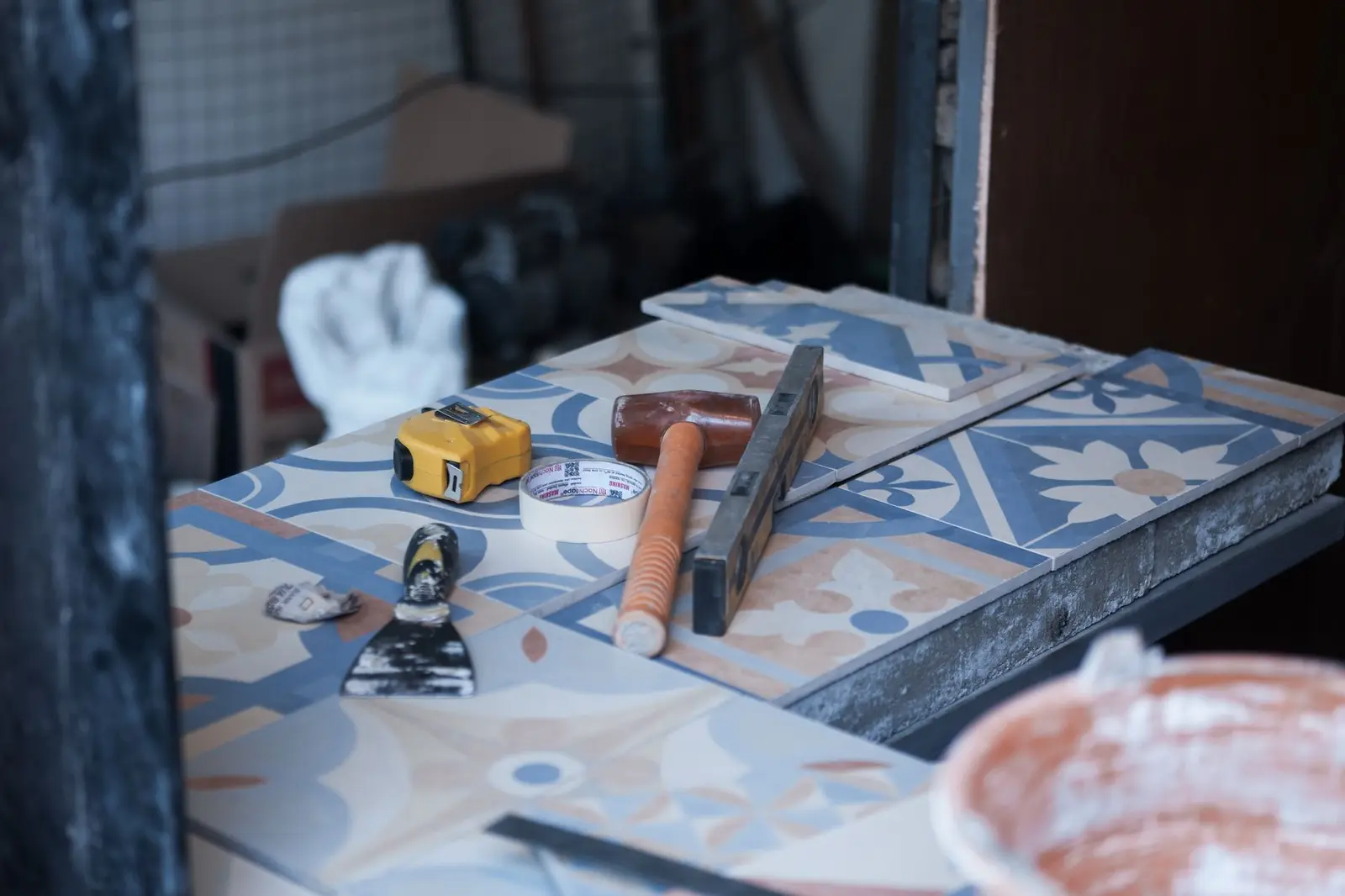
Tile Installation in Lawrence, NY
Floors, shower walls, backsplashes and entries with flat layouts, even grout lines and a surface that is prepared to last.
- Floors & walls
- Showers & backsplashes
- Even grout lines
Tile is unforgiving. Every cut, every grout line and every slightly uneven spot is on display, and a mistake in the setting bed shows up as cracked tile months later. Tile installation in Lawrence rewards patience: planning the layout before the first tile is set, getting the surface flat and letting each step cure properly.
EM Construction sets tile as a stand-alone service and as part of bathroom and kitchen remodels. Ervin Cruz described the crew's tile work using the Spanish term "cerámica," and we handle ceramic and porcelain tile on floors, walls, showers, backsplashes and entryways.
The goal is a surface that looks flat and stays that way. In this area, that also means thinking about moisture: showers and bathroom floors need the right preparation under the tile, and ground-level or basement floors need a moisture check before anything goes down.
Signs your tile needs attention
- Cracked or loose tiles, especially in a pattern that follows a seam or joint underneath
- Grout that is crumbling, missing or stained and will not come clean
- Hollow-sounding tiles when you tap them, meaning they are no longer bonded
- Mildew or dark staining along shower corners and the base of the tub
- Tile that is dated or does not match after a partial renovation
- A floor that feels cold, uneven or has lippage, where tile edges sit at different heights
What affects the price of tile installation
Tile is priced by area, but a few details change the number substantially:
- The size of the area and the tile format, since large tiles need a flatter surface and more careful handling
- Pattern and layout: diagonals, herringbone and mosaics take more time and cuts than straight sets
- The amount of preparation the floor or wall needs before tile can go on
- Removal of existing tile and the condition of the surface underneath
- Wet areas such as showers, which need additional preparation compared with a dry floor
- Trim pieces, niches, borders and other details that require extra cuts
How tile gets installed correctly
Check and prepare the surface
Floors are checked for flatness, and walls for plumb. High spots are ground down and low spots are filled, because tile cannot hide an uneven surface.
Plan the layout
We dry-lay tile to see where cuts fall. Good layout avoids thin slivers at doorways and walls and centers patterns where the eye lands.
Set the tile
Tile is set into thinset with the correct trowel size, pressed in to get full coverage and spaced with consistent grout lines.
Let it cure, then grout
The setting bed has to cure before grouting. We grout, clean the haze off the surface and make sure joints are filled evenly.
Seal and finish
Grout and natural stone, where used, are sealed as appropriate. Edges are caulked where tile meets tubs, walls and fixtures, and we clean the area.
Why EM Construction for tile
Tile is the finishing step after walls, floors and plumbing are in place. Because we prepare the surface ourselves, we know whether the substrate under the tile is flat and ready. Tile setters who arrive after another contractor often have to fix the prep, which is where friction and cost creep in.
We care about the details people notice later: tight, even grout lines, cuts that fall in sensible places and edges that meet tubs, doors and floors cleanly. If it looks right when we finish, it looks right years from now.
We install tile in Lawrence and neighboring Five Towns homes, including those in Lawrence, NY and Inwood, NY.
Tile Installation questions, answered
Ceramic or porcelain: which should I choose?
Both work in most rooms. Porcelain is denser and handles moisture and heavy traffic well, so it is a common choice for bathrooms, entries and basements. Ceramic is often easier to cut and works well for walls and backsplashes. We help you choose based on the room.
How long should I wait before walking on new tile?
Generally about a day for light foot traffic, and longer before heavy furniture goes back, though it depends on the materials used. We tell you the timing for your job.
Can you tile over existing tile?
Sometimes, but it adds height and only works if the old tile is solidly bonded and flat. Removing the old tile usually gives a better result, and we will tell you which approach suits your floor.
Why do tiles crack?
Common causes are an uneven or flexing surface, a hollow spot under the tile or movement in the house. Prevention comes from preparing the surface properly before tile goes down.
Can you regrout or replace a few broken tiles?
Yes. Regrouting and replacing individual tiles is a common repair. Matching the existing tile can be a challenge if it is discontinued, so bring any spare tiles you have.
Related services
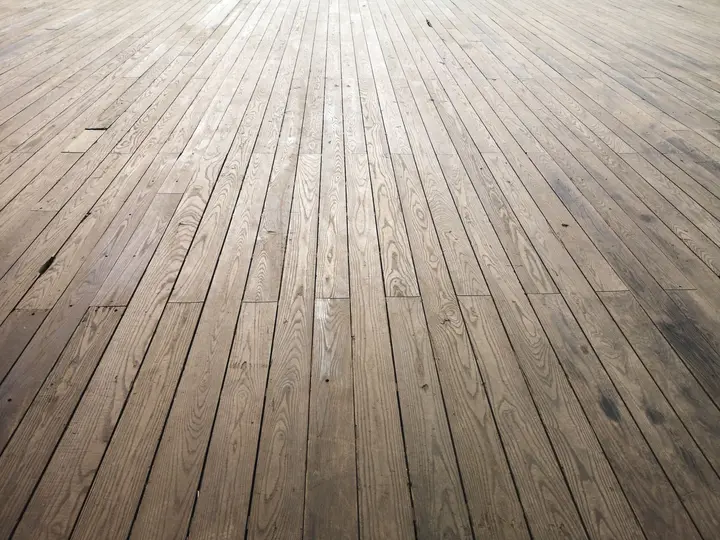
Flooring Installation
Subfloor prep and clean installation for living areas, bedrooms and basements.
Learn more →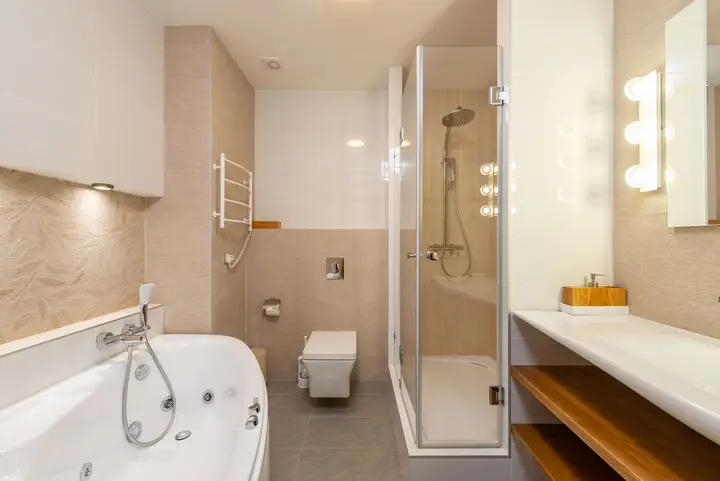
Bathroom Remodeling
Demolition, wall repair, tile, flooring and finish work for older Five Towns bathrooms.
Learn more →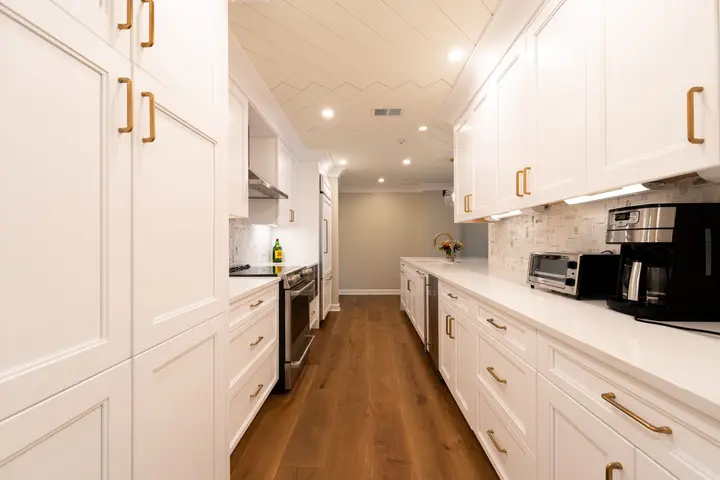
Kitchen Remodeling
New floors, walls, backsplash and finishes for the busiest room in the house.
Learn more →Ready for new tile?
Prefer to talk? Call or text and we will answer in English or Spanish.